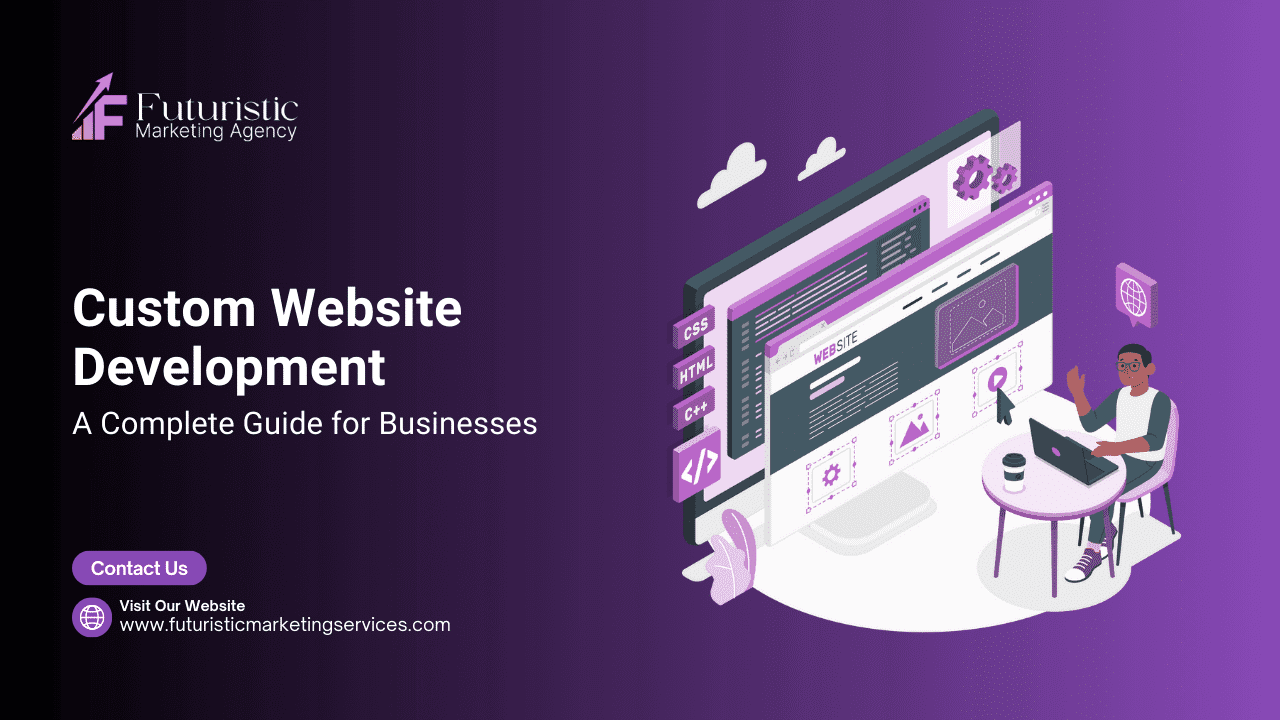
Custom Website Development: A Complete Guide for Businesses

custom website development

In today’s competitive digital landscape, having a website that stands out is crucial. Custom website development offers businesses a tailored solution that aligns with their goals and enhances user experience. In this comprehensive guide, we’ll explore everything you need to know about custom website development, including its benefits, process, and why it’s the right choice for businesses in the U.S.

What is Custom Website Development?

Custom website development is the process of designing and building a website from scratch, tailored to meet the specific needs of a business. Unlike template-based solutions, custom websites offer:

Custom websites cater to businesses looking for robust, secure, and highly optimized online solutions.

“88% of online consumers are less likely to return to a site after a bad user experience.” (Source)

how to develop a writing portfolio website

Why Choose Custom Website Development?

Importance of Custom Websites in Today’s Digital World

In the U.S., businesses increasingly need custom solutions to stand out. A custom website helps:

Benefits of Custom Website Development

1. Tailored Design for Enhanced User Experience

Custom websites ensure your design aligns perfectly with your business goals, providing a seamless user journey.

2. Scalability to Support Business Growth

As your business grows, a custom website can adapt to new requirements without the need for a complete overhaul.

3. Security and Performance Advantages

Custom-built websites include advanced security measures to protect your data and optimize loading speeds.

4. Better SEO Optimization

Custom websites are structured to align with SEO best practices, increasing visibility on search engines like Google.

Key Features of Custom Website Development

What Makes a Custom Website Unique?

custom website development

The Custom Website Development Process

Step-by-Step Guide to Developing a Custom Website

1. Planning and Discovery Phase

Analyze your target audience, business goals, and competitor strategies. This phase ensures the website aligns with your objectives.

2. Design and Prototyping

Create wireframes and prototypes focusing on user-centric designs. This step ensures the final product meets user expectations.

3. Development and Coding

Using modern frameworks like React or Laravel, developers bring your vision to life with robust, clean code.

4. Testing and Launch

Conduct extensive testing to ensure functionality, speed, and security before going live.

5. Post-Launch Maintenance

Regular updates and maintenance keep your website running smoothly.

How to Choose the Right Development Partner

Tips for Selecting a Custom Website Development Agency

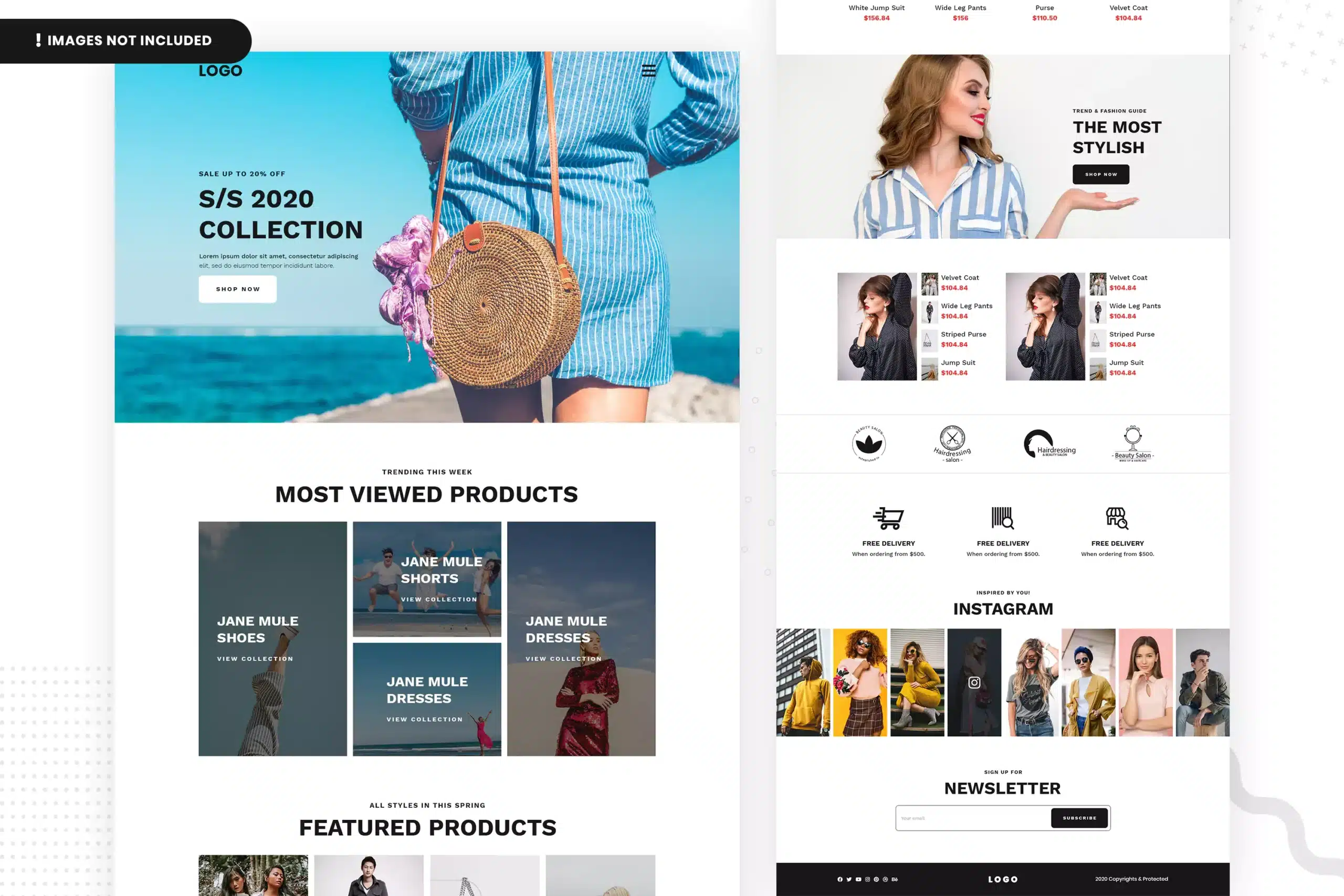
Explore why Futuristic Marketing Services is the best choice for custom web development.
custom website development

Trends in Custom Website Development

Emerging Trends to Watch in 2025

Conclusion

Custom website development is the key to creating a unique, scalable, and high-performing online presence. By understanding the benefits and following the development process, your business can thrive in today’s competitive market.

Ready to build your custom website? Contact Futuristic Marketing Services today to get started.

Common User Queries About Custom Website Development

What is custom website development?

Custom website development involves creating a website tailored to the unique needs, preferences, and goals of a business. Unlike templates, it offers personalized design, features, and functionality to meet specific user requirements.

Why choose custom website development over templates?

Custom website development provides greater flexibility, scalability, and unique branding opportunities compared to templates. It allows businesses to design user experiences and features specific to their industry and audience.

How long does it take to build a custom website?

The time to build a custom website depends on its complexity, features, and design requirements. On average, it can take anywhere from 4 to 12 weeks, including planning, development, and testing phases.

What are the costs of custom website development?

Custom website development costs vary widely based on factors like design complexity, features, and the developer's expertise. Prices can range from $3,000 for basic sites to over $50,000 for advanced, feature-rich websites.

What are the benefits of custom website development for businesses?

Custom website development ensures a unique online presence, enhanced user experience, better scalability, and integration with specific business tools or systems, ultimately helping businesses stand out and grow.

Why should I choose custom website development over templates?

Custom websites are built specifically for your business goals, offering better performance, flexibility, and scalability. Templates may be cheaper initially but often limit customization and growth in the long run.

Is custom web development worth the investment for small businesses?

Yes, if your business depends on conversions, branding, or unique functionality. A custom website helps you stand out and can deliver better ROI compared to generic template-based sites.

What industries benefit the most from custom website development?

Industries like eCommerce, SaaS, healthcare, and real estate benefit the most because they require unique features, integrations, and user experiences.

What is a custom web development strategy and why is it important?

It defines your website goals, target audience, features, and tech stack before development begins. A clear strategy ensures your website is aligned with business outcomes, not just design.

How do I plan a custom website development project effectively?

Start with business goals, define user journeys, create wireframes, and finalize features. Proper planning reduces development time, cost, and future rework.

What should I consider before hiring custom web development consultants?

Look for experience, portfolio, tech expertise, and understanding of your industry. Communication and post-launch support are equally important factors.

What is the complete process of custom website development?

It typically includes discovery, planning, UI/UX design, development, testing, and deployment. Continuous optimization and maintenance follow after launch.

How long does it take to build a custom website?

It depends on complexity, but most projects take 4–12 weeks. Larger, feature-rich websites may take longer due to integrations and testing.

What technologies are used in custom web development?

Technologies vary based on requirements and may include HTML, CSS, JavaScript frameworks, and backend systems like PHP, Node.js, or Python.

Is custom website development better for SEO than templates?

Yes, custom websites allow better optimization for speed, structure, and technical SEO. This gives you an advantage in rankings and user experience.

How does custom development improve website performance?

It eliminates unnecessary code and focuses only on required features. This results in faster loading speed and better user engagement.

Can a custom website improve conversion rates?

Yes, because it is designed specifically for your audience and business goals. Better UX and targeted design directly impact conversions.

Why is custom website development more expensive than templates?

Because it involves personalized design, coding, testing, and strategy. However, the long-term benefits often outweigh the initial cost.

How do I calculate ROI from a custom website?

Measure leads, conversions, revenue growth, and user engagement. Compare these metrics with your development cost over time.

Is custom web development a one-time investment?

No, it requires ongoing updates, maintenance, and improvements to stay secure and competitive.

What is custom web development and how does it work?

Custom web development involves building a website from scratch based on specific business needs. It focuses on unique design, features, and performance.

What is the difference between custom web design and development?

Design focuses on visuals and user experience, while development handles coding and functionality. Both work together to create a complete website.

What is included in custom website design and development?

It includes UI/UX design, coding, content integration, testing, and deployment. Some projects also include SEO and performance optimization.

How do I choose between custom development and WordPress?

Choose custom development for flexibility and scalability, while WordPress is better for quick and budget-friendly projects.

Can I upgrade a template website into a custom website later?

Yes, but it often requires rebuilding from scratch. Starting custom from the beginning can save time and cost in the long run.

How do custom websites support business growth?

They scale easily, integrate with tools, and adapt to changing business needs. This makes them ideal for long-term growth.

What are the common mistakes in custom website development projects?

Poor planning, unclear requirements, and ignoring user experience are common mistakes. These can increase costs and reduce effectiveness.

Do I need ongoing support after custom website development?

Yes, regular updates, bug fixes, and performance optimization are essential for maintaining website quality.

Can custom websites integrate with third-party tools?

Yes, they can integrate with CRM, payment gateways, analytics tools, and more, depending on your business needs.

What are the best SEO strategies to improve lead quality?

High-quality leads often come from targeted SEO strategies like keyword optimization, user intent alignment, and content relevance. Understanding your audience's needs and creating content that addresses their specific queries can improve the quality of leads generated through SEO.

How can keyword research impact lead quality in SEO?

By focusing on long-tail keywords and keywords with strong intent, businesses can attract more qualified traffic. Keyword research helps identify terms that high-intent users search for, increasing the chances of converting visitors into valuable leads.

Why is user intent important for lead quality in SEO?

Optimizing for user intent ensures that your content meets visitors' expectations, resulting in more engaged users and higher-quality leads. SEO strategies that align with user intent can reduce bounce rates and improve lead conversion.

How can content optimization improve lead quality in SEO?

Tailoring content to be informative, engaging, and relevant to the target audience can significantly enhance lead quality. Quality content answers specific questions, builds trust, and encourages users to take further action, making them more likely to convert.

What role does conversion rate optimization (CRO) play in improving SEO lead quality?

CRO strategies such as A/B testing, optimized landing pages, and clear CTAs can help turn SEO traffic into qualified leads. By refining the user journey, CRO works alongside SEO to improve the overall quality of leads generated from organic search.

Why is my SEO bringing traffic but not high-quality leads?

Because your content may be targeting informational intent instead of buyer intent. High traffic doesn’t guarantee conversions unless keywords match decision-stage searches.

What is the difference between lead generation and lead quality in SEO?

Lead generation focuses on volume, while lead quality focuses on how likely those leads are to convert into paying customers.

How do I know if my SEO leads are actually high quality?

Track metrics like conversion rate, time on page, repeat visits, and lead-to-sale ratio—not just traffic.

Which keywords bring the highest quality SEO leads?

Long-tail and high-intent keywords (like “hire SEO agency for ecommerce”) attract users closer to conversion.

Why do long-tail keywords improve lead quality?

Because they reflect specific needs and intent, leading to higher conversion rates despite lower traffic.

Should I target informational or transactional keywords for better leads?

A mix works best, but transactional and commercial keywords generate higher-quality leads.

Why are my SEO leads not converting even after filling forms?

Because they may not be qualified—your funnel lacks proper filtering like lead scoring or intent-based CTAs.

How do I filter out low-quality SEO leads?

Use lead scoring, qualifying questions, and behavior tracking to prioritize serious prospects.

Are form submissions a reliable indicator of lead quality?

No, many users submit forms without real intent. Engagement signals matter more.

Does improving lead quality increase ROI in SEO?

Yes, high-quality leads convert better, reducing wasted effort and improving ROI significantly.

Is it better to have fewer high-quality leads or more low-quality leads?

Fewer high-quality leads are better because they close faster and cost less to convert.

How long does it take to improve lead quality with SEO?

Typically 3–6 months with consistent optimization and content refinement.

How does user experience affect lead quality in SEO?

Poor UX increases bounce rates, while better UX keeps users engaged and improves conversions.

Why do visitors leave without converting even if content is good?

Because of weak CTAs, slow loading speed, or unclear next steps.

Do landing pages really impact lead quality?

Yes, optimized landing pages aligned with search intent significantly improve conversions.

Can AI tools improve lead quality in SEO?

Yes, AI can analyze behavior, personalize content, and qualify leads automatically.

How does conversational content improve lead quality?

It matches user intent better and keeps users engaged, increasing conversion chances.

What is the role of AEO/GEO in lead quality?

Answer-focused content helps attract highly relevant users directly from AI-driven search results.

What are “quality SEO leads” and how are they different from regular leads?

Quality SEO leads are users with high intent who match your ideal customer profile and are more likely to convert.

What is the best SEO strategy for lead conversion, not just traffic?

Focus on intent-based content, CRO optimization, and lead qualification systems.

How can I increase lead quality without increasing traffic?

By improving targeting, refining CTAs, and optimizing conversion funnels.
Share this post :
Picture of Devyansh Tripathi
Devyansh Tripathi

Devyansh Tripathi is a digital marketing strategist with over 5 years of hands-on experience in helping brands achieve growth through tailored, data-driven marketing solutions. With a deep understanding of SEO, content strategy, and social media dynamics, Devyansh specializes in creating results-oriented campaigns that drive both brand awareness and conversion.

All Posts