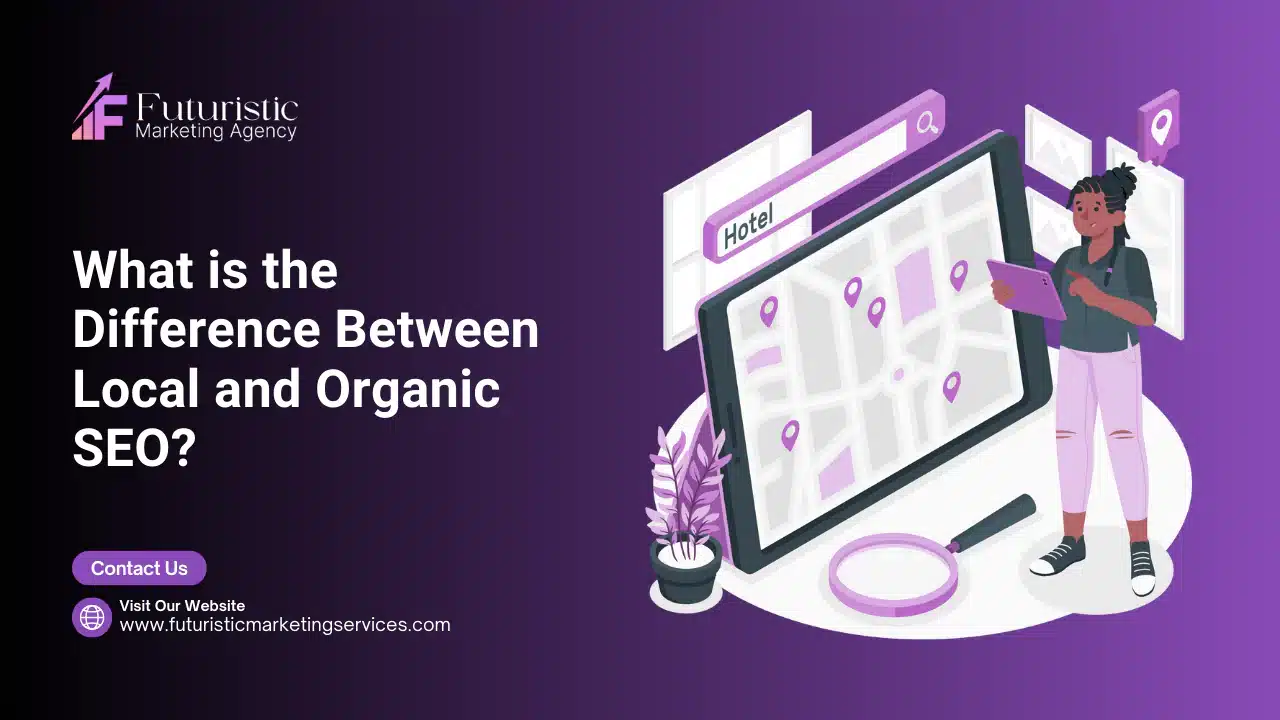
Search Engine Optimization (SEO) is a vital component of digital marketing that ensures your business gets the visibility it needs online. However, there are two distinct types of SEO: Local SEO and Organic SEO, each tailored for specific goals and audiences. Understanding their differences helps you craft a comprehensive strategy that aligns with your business objectives.

What is Organic SEO?
Organic SEO focuses on improving your website’s ranking in search results for non-local queries. It is a long-term strategy aimed at capturing a global or broad audience by optimizing content, keywords, and technical elements on your website.
Key Features of Organic SEO
- Keyword Research: Effective keyword targeting helps identify terms your audience uses in searches. Tools like Google Keyword Planner or Ahrefs can assist.
- On-Page Optimization: Use your primary keyword in H1 tags, the meta title, and the first 150 words. Optimize URLs and structure content logically with H2 and H3 tags.
- Content Marketing: Publish high-quality blogs and guides regularly to engage your audience and rank for informational queries.
- Backlink Building: Earn backlinks from authoritative sites to boost your website’s credibility and authority.
Learn more about building a robust organic SEO strategy.

What is Local SEO?
Local SEO aims to improve visibility in localized search results, such as Google’s Local Pack or Google Maps. It is especially beneficial for brick-and-mortar businesses or service providers targeting nearby customers.
Key Features of Local SEO
- Google Business Profile (GBP): Optimize your GBP listing with accurate NAP (Name, Address, Phone) details, business hours, and photos.
- Local Citations: Ensure your business information is consistent across directories like Yelp and TripAdvisor.
- Localized Content: Create blog posts or landing pages targeting location-specific keywords such as “Best SEO services in New York.”
- Customer Reviews: Positive reviews enhance credibility and improve your chances of appearing in the Local Pack.
Explore our Local SEO services for customized solutions.

Key Differences Between Local and Organic SEO
Aspect | Organic SEO | Local SEO |
|---|---|---|
Audience | Global or broad | Local or location-specific |
Focus | Informational content and website authority | Google Maps, reviews, and localized results |
SERP Features | Organic listings, People Also Ask, Knowledge Panel | Local Pack, Reviews, and Google Maps |
Best for | E-commerce, blogs, global businesses | Small businesses, restaurants, local services |
Keyword Targeting | Global keywords (e.g., “SEO strategies”) | Location-specific keywords (e.g., “SEO in Chicago”) |
Ranking Factors | Backlinks, content quality, and site structure | GBP optimization, NAP consistency, and reviews |
Conversion Goals | Drive website traffic and build authority | Increase foot traffic and local sales |
When to Use Organic SEO
Organic SEO is ideal for businesses aiming to reach a global audience or establish long-term authority in their niche. For example:
- E-commerce stores targeting international buyers.
- Blogs focused on specific niches like health or finance.
- SaaS companies offering services worldwide.
When to Use Local SEO
Local SEO works best for businesses targeting customers within a specific geographic area. Examples include:
- Restaurants or cafes aiming to attract nearby diners.
- Local service providers like plumbers or electricians.
- Community-based businesses like gyms and salons.
SERP Features for Local and Organic SEO
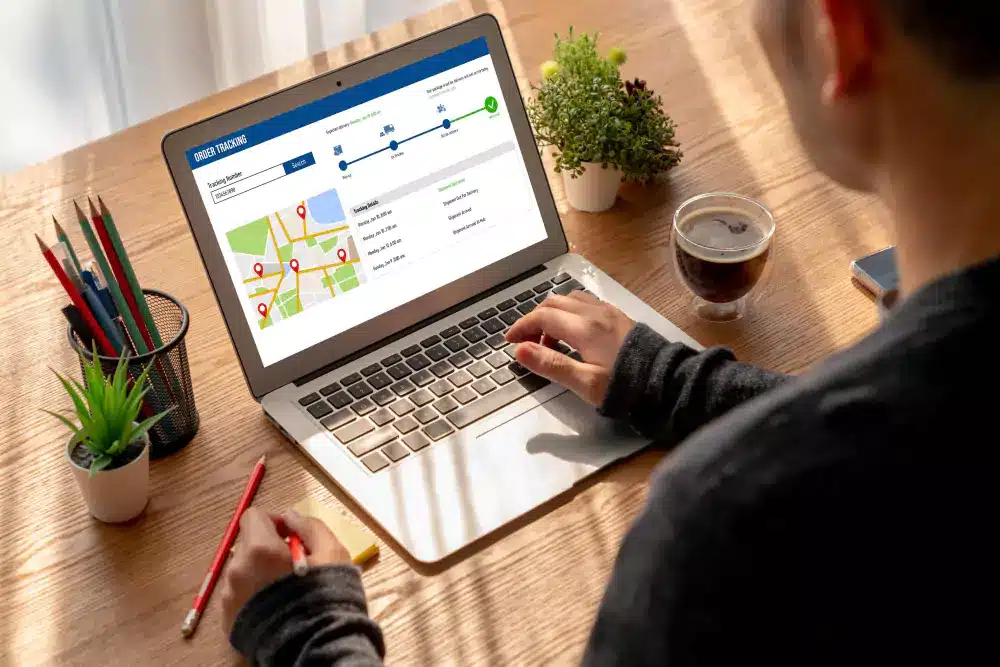
Leveraging SERP features can significantly enhance your visibility. Here’s how each SEO type can target them:
- Local SEO: Focus on Local Packs, Reviews, and Google Maps listings by optimizing GBP and earning customer reviews.
- Organic SEO: Target People Also Ask, Knowledge Panels, and video snippets by creating high-quality, engaging content.
Leveraging SERP features can significantly enhance your visibility. Here’s how each SEO type can target them:
How to Integrate Local and Organic SEO
Combining Local and Organic SEO can deliver the best of both worlds. Here’s a roadmap:
- Keyword Strategy: Use global keywords like “SEO strategies” for broader reach and local keywords like “SEO services in Miami” for targeting specific areas effectively.
- Content Creation: Publish location-specific landing pages alongside general blogs, and include case studies showcasing successful SEO implementations.
- Technical SEO: Optimize your site for mobile users and add schema markup to enhance visibility in both local and organic search queries.
- Local and Organic Link Building: Build backlinks from local directories and global platforms to strengthen domain authority and improve rankings.
- Leverage Google My Business (GMB): Keep your GMB profile updated with accurate information to boost local search visibility while maintaining an active blog for organic reach.
FAQs on Local and Organic SEO
What is local SEO and how does it differ from organic SEO?
Why is local SEO important for small businesses?
Can a business benefit from both local and organic SEO strategies?
What are the key components of an effective local SEO strategy?
How do search engines determine local search rankings compared to organic rankings?
Why am I getting impressions for “local SEO vs organic SEO” but no clicks?
Does local SEO affect organic rankings directly?
Why do local results sometimes push organic results down?
I have good organic traffic but no local leads — what am I missing?
Can service-based businesses rank without a physical location?
Why do competitors rank in local SEO with weaker websites?
How do I decide budget split between local SEO and organic SEO?
Which gives faster results: local SEO or organic SEO?
Is organic SEO useless for local businesses?
Why do users click local results more than organic results?
1. Content Optimization: Improving posts, captions, and visuals for better reach.
2. Audience Targeting: Reaching the right users based on interests and behavior.
3. Engagement Strategies: Increasing likes, comments, and shares organically.
4. Automation Tools: Using AI and tools to optimize growth efficiently.
5. Analytics & Insights: Tracking performance to improve results over time.